


.png)


Key takeaways
- Subcutaneous fat sits just under the skin and plays a protective role, but too much of it can increase inflammation and contribute to metabolic and joint issues.
- Unlike visceral fat, it poses fewer serious health risks, but excess subcutaneous fat levels can still impact heart health, insulin sensitivity and overall well-being.
- Sustainable fat loss through balanced nutrition, regular aerobic and strength training, and healthy lifestyle habits is the most effective way to reduce the amount of subcutaneous fat.
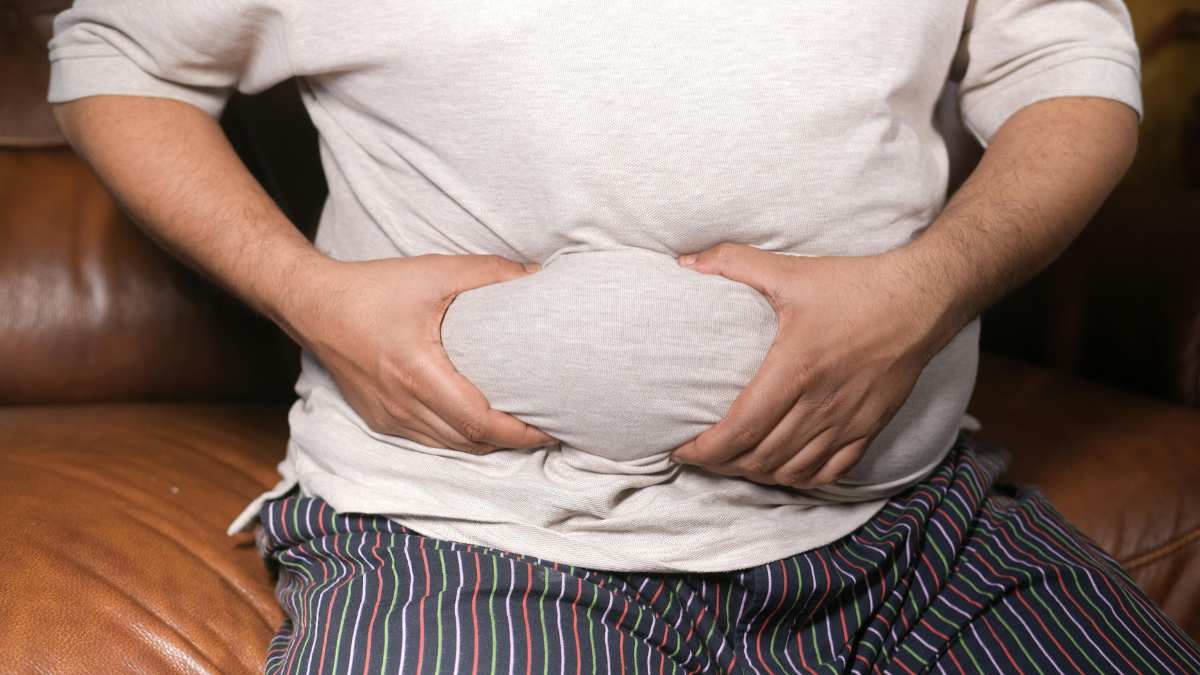
If you’ve ever stood in front of the mirror and pinched that excess bit of flab around your middle, what you're feeling is subcutaneous fat.
When your body fat starts showing a bit too much, it can be natural to find yourself fixating on it, particularly if you’ve been trying to shed a few kilos and cut your body mass index. How, why, and when our bodies store fat can feel like a bit of a mystery.
The truth is, there are different types of body fat, and why we have it, how we gain and lose it, and when it becomes an issue beyond a number on the scales are all important questions to ask during a weight loss journey because it's not just about how you look but your overall health.
So, today let’s take a look at where subcutaneous fat lies, how subcutaneous fat acts, what the risk factors of it are, and what it says about your body.
What is subcutaneous fat?
Subcutaneous fat is the layer of fat just below the surface of your skin. While having too much of it isn’t a good thing for reasons we’ll explore shortly, subcutaneous fat does serve an essential purpose in the body, and as a result, everyone must have some.
This particular type of fat, also called adipose tissue, is actually biologically active, playing a vital role in hormone messaging, insulating the body from the cold, thus helping regulate your body temperature, cushioning deep tissues from injury and blunt trauma, and working as a source of energy for the body held in reserve [1]. While having a lot of it will affect how many kilos you're carrying, having some of it is still vital for your body composition.
Of the two types of fat in your body, subcutaneous fat is considered the healthier type, and generally makes up around 90 per cent of your body fat percentage. As you can see, subcutaneous fat plays a vital role, but it's about getting it down to an amount that supports your long-term health and fitness goals, so you can be the best version of yourself.
Subcutaneous fat vs visceral fat: What’s the difference?
While subcutaneous fat sits just below the surface of the skin, visceral fat is a type of body fat stored below the abdominal muscles in the abdominal cavity and surrounds the internal organs like the liver, intestines and pancreas.
While it accounts for only around 10% of your body fat, many studies have shown that, because of its proximity to your abdominal organs, too much visceral fat can significantly increase the risk of several serious health complications, making it far more of a concern than subcutaneous fat [2].
What causes subcutaneous fat?
As subcutaneous fat serves a vital function in the body, in particular in being where your body stores energy and how it regulates your hormones, it’s important to remember that everyone is born with some of it, but some more than others. Everyone's body fat distribution is different, and that's okay.
Genetic factors, general health or metabolic health markers, in this sense, will give you a sort of foundational amount of body fat. Still, lifestyle factors will significantly affect how much excess subcutaneous fat you might have.
In particular, subcutaneous fat depends on your diet and how much exercise you're getting. If you're eating more calories than you burn, and spend most of your day sitting, you're more likely to carry excess fat across your body. Some health issues, including insulin resistance, though, can also play a significant role in how you carry extra body weight [4].
Can you feel subcutaneous fat?
Yes, you can feel subcutaneous fat. As it sits just beneath the skin, any fat you can pinch between your fingers falls into this category or stubborn fat. Of course, belly fat raises questions for so many blokes, but subcutaneous fat loss is possible with a healthy diet and regular exercise.
Health risks of too much subcutaneous fat
While subcutaneous fat doesn't have as many serious health risks as visceral fat, and has far lower mortality rates than visceral fat [5], having an excessive amount of it can still lead to some significant health problems.
In particular, research has shown that excessive subcutaneous fat can lead to inflammatory conditions, difficulties with blood pressure regulation, insulin resistance, metabolic syndrome, and several other health complications [3]. On top of that, excess subcutaneous fat can often lead to obesity, which affects joint and bone health, leading to knee, hip and back injury, as well as having a potentially harmful effect on your mood, including your self-confidence and self-esteem.
How to reduce subcutaneous fat effectively
The question of how you lose subcutaneous fat is ultimately one of how you lose weight. Eating well, getting more exercise, and adjusting your lifestyle will let you burn fat and increase your muscle mass over time. What matters, though, as part of an effective fat-burning diet, is that what you're doing is sustainable.
Exercise
When it comes to exercise, most studies recommend a combination of 30 minutes to an hour of moderate-to-intense aerobic activity two or three days a week, such as running, swimming or a HIIT (High-Intensity Interval Training) class. Plus, add two sessions a week of strength training or resistance training in order to build muscle mass while shredding fat cells [1].
While aiming for this is always a good thing, don’t worry if you’re not quite ready to jump all the way in. Starting any exercise routine is going to help you on your weight loss journey, so finding something that works with your schedule and that you enjoy doing is always going to be better than not starting at all.
Diet
Eating fewer calories than you burn is always the number one advice for losing weight, but it's important to do this in a way that's healthy and sustainable. If you're miserable, then maintaining your diet and, ultimately, a healthy weight is unlikely in the long run.
Getting a balanced diet of grains, vegetables and legumes, fruits, lean meats, poultry or tofu, and milk, yoghurt and cheese is vital not just for losing subcutaneous fat, but also for maintaining a healthy diet that has you looking and feeling your best.
It's important to note that your belly fat rises with certain types of food too, so reducing how much oil, processed food, sugar and alcohol you consume will also support your body’s health, functioning and weight management [6].
Lifestyle factors
Weight loss and weight management aren’t all about diet and exercise. Many lifestyle factors come into play, including how much sleep you're getting, habits such as smoking or drinking alcohol, and how much time you spend sitting around, which is especially problematic if you're an office or remote worker.
If you’re sitting at a desk all day and on the couch all night, that’s going to have as much of an effect on your waistline as what you eat and how much you work out, causing you to gain weight and potentially see changes in your body shape.
Cutting out the bad habits, ensuring you get enough sleep and making sure you move around throughout the day can really help not just to reshape your body composition, but your overall health too [6].
A balanced approach to body fat loss
While stubborn subcutaneous fat isn’t as harmful as visceral fat, having too much of it can still put you at a higher risk of both physical health issues and psychological ones.
Insecurity around belly fat, little muscle mass, and constantly reaching for the tape measure can have a really serious impact on how we view ourselves, which makes treating fat loss holistically critical.
It’s not just about how you measure your waist circumference or the number you see on the scales. It's about making the long-term changes that result in you becoming more confident because you're becoming the best version of yourself.
Looking to burn calories and cut your total body fat? Before you start any new weight loss program, it's vital to ensure you're on the right road. Speaking to a professional can uncover a range of medically-backed strategies to give you the best chance of success, including access to expert nutrition advice and programs like Pilot's Weight Reset Program. If you're ready to start, set up an appointment with your GP today.
Image credit: Pexels






.svg)


